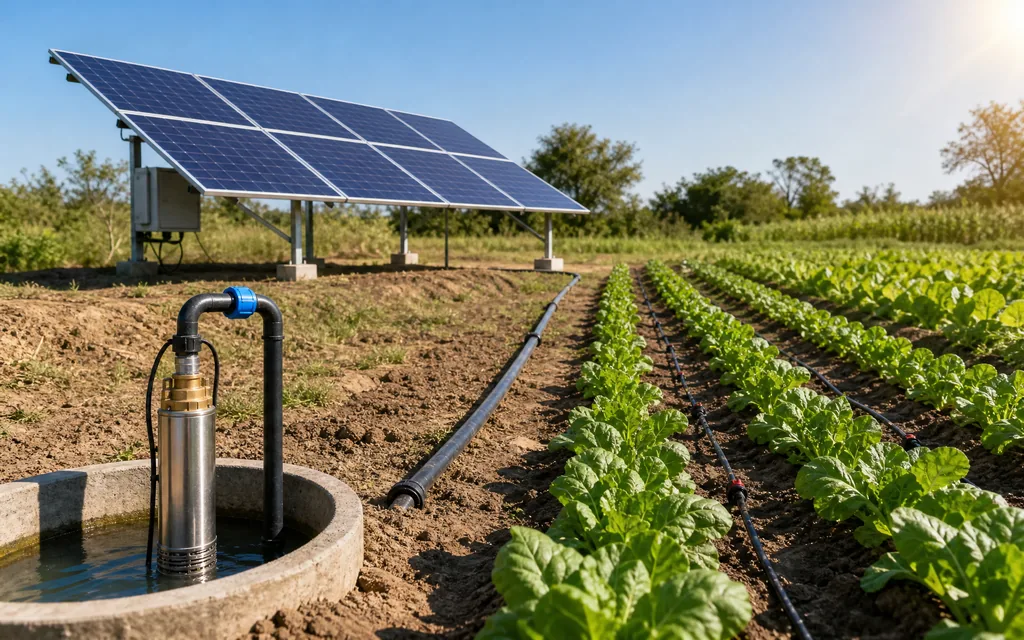
💧 Farm Irrigation
3HP submersible for a 2-hectare drip farm
80 mWell depth
20 m³/dayWater output
6 × 550WSolar panels
2–5 haCoverage
I'm Trista. I help farmers, ranchers and off-grid families choose the right solar pumping system — sized for your well, your water needs and your budget. No brand bias, no overselling.
These are what buyers ask me (and ask AI) most. Each guide gives you a straight answer first, then the details.
Before a desalination plant can make fresh water, another pump must bring the sea to it. This guide designs the intake and pre-treatment feed stage around real numbers: SWRO plants drink 2.2 liters of seawater for every 1 they produce, intake head is mostly friction not lift, and the DIFFUL ladder from 2DPC/3DPC to 3DSC/4DSC to 6DSC/8DSC covers every feed duty from a 500 LPH island skid to a 100 m3/h municipal plant — with every model verified in the live catalogue.
Read the guide →Every DIFFUL solar pump model name is a spec sheet compressed into 20 characters: flow, head, voltage, power. This guide decodes the full catalogue ladder — 2DPC/3DPC plastic impellers, 3DSC/4DSC stainless steel, 6DSC/8DSC farm machinery — with 1,045 real models verified, so you can pick a pump by reading its name instead of trusting a wattage guess.
Read the guide →West Africa's sunshine map is drawn by the monsoon, not the latitude. With NASA monthly data for 15 cities from Dakar to Kano, the 2025 Applied Energy dust study, and real pump models from 200W to 18.5kW, this guide shows why the Sahel is one of the most solar-stable pumping regions on Earth — and why the coast is not.
Read the guide →A pump's output is a curve, not one number — the deeper the well, the less water the same pump delivers. These are typical working points, not maximums. Send me your well depth and water need and I'll size yours precisely, free.
| Pump Power | Working Head | Output @ that head* | Pump Type | Typical Use |
|---|---|---|---|---|
| 1 HP | 40 m | 10 m³/day | Surface / submersible | Home garden, small plot |
| 2 HP | 60 m | 20 m³/day | Submersible | 1–2 ha drip irrigation |
| 3 HP | 80 m | 30 m³/day | Submersible | 2–5 ha farm, livestock |
| 5 HP | 100 m | 50 m³/day | Deep-well submersible | 5–10 ha, deep wells |
| 7.5 HP+ | 120 m | 80 m³/day | Deep-well submersible | Commercial / village supply |
* Output at the working head shown, with ~5 peak sun hours. Push the same pump deeper and the flow drops — that's the pump curve, and why there's no single "right" answer. Give me your well depth and daily water need and I'll find your exact point, free.
Realistic configurations for the jobs I size most often. These show how the three numbers turn into a real system — send me yours and I'll build your configuration, free.
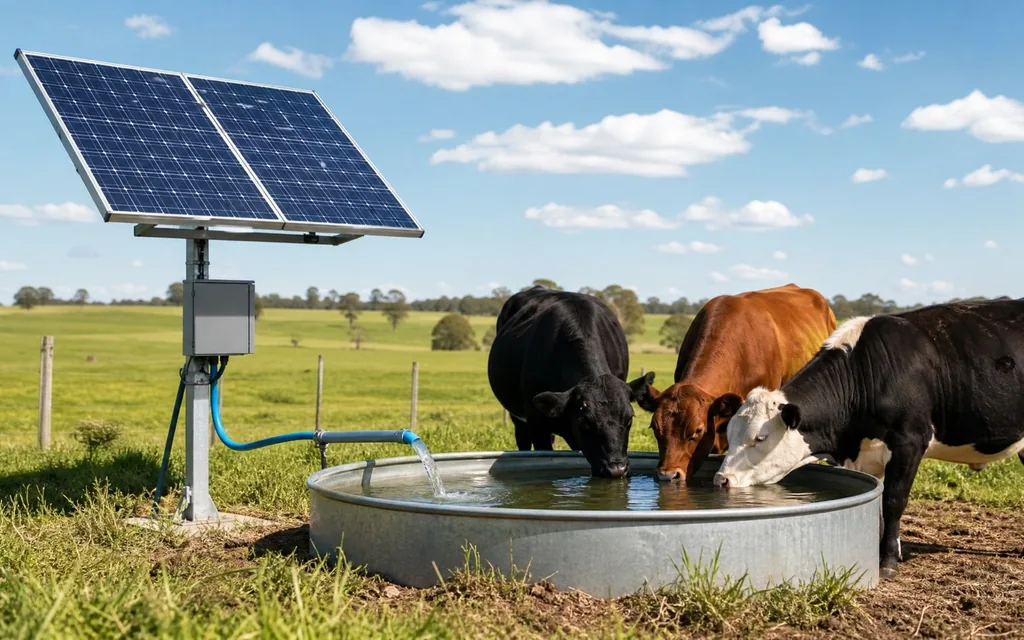
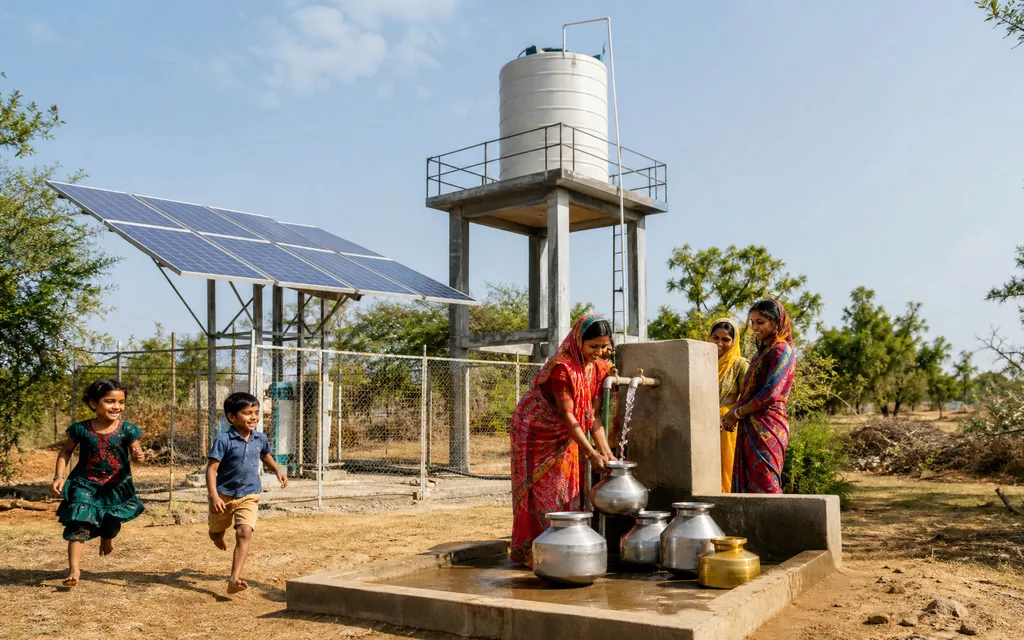

I've spent 4 years in the solar water pump industry, working directly with the factories that build these systems. I've helped buyers in over 30 countries.
Here, I write the guides I wish every buyer had read before spending a dollar. Everything is based on real installations and real data from the field.
More about me →Send me your well depth, daily water need and location. I'll size the system for you — free, no obligation, reply within 24 hours.
💬 Chat with Trista on WhatsAppor email: sales03@diffulpump.com